
Understanding the psychology behind gambling What drives the urge to play
The Thrill of Uncertainty
The excitement of gambling often stems from the unpredictability it brings. Players are drawn to the idea of chance and the possibility of winning big, which can trigger adrenaline rushes akin to extreme sports. This thrill is not just about the potential monetary gain; it also appeals to our innate desire for adventure and risk-taking. Each roll of the dice or turn of the card represents a fresh opportunity, igniting hopes and aspirations, especially when exploring online pokies and their enticing features.

Moreover, this uncertainty can create a compelling psychological hook. The human brain is wired to respond to rewards, and the dopamine release associated with wins reinforces the behavior. Even small victories can lead to repeated play, as the urge to chase that feeling becomes stronger with each session.
The Role of Cognitive Biases
Cognitive biases significantly shape how individuals perceive gambling outcomes. One common bias is the illusion of control, where gamblers believe they can influence the results of games that are fundamentally random. This belief can make players feel empowered, encouraging them to engage more frequently in hopes of achieving favorable outcomes.
Additionally, the gambler’s fallacy plays a crucial role in decision-making. Many players believe that past outcomes can affect future results, leading them to make irrational bets. Understanding these biases can provide insights into why individuals may continue to gamble despite unfavorable odds, highlighting the complex nature of gambling psychology.
The Social Aspect of Gambling
Gambling is often a social activity, fostering connections among players. Whether it’s gathering at a casino or participating in online games, the communal aspect can enhance the overall experience. Social interactions can amplify the excitement, as shared victories and defeats create a sense of camaraderie.
Furthermore, social pressures and norms can influence gambling behavior. Seeing friends or peers engage in gambling can lead individuals to partake as well, seeking acceptance or belonging. This social dynamic often makes it harder for individuals to step back from gambling, even when they recognize the potential risks involved.
Emotional Triggers and Escapism
Many individuals turn to gambling as a form of escapism from their daily lives. The emotional highs and lows associated with gambling can provide a temporary relief from stress or anxiety. For some, the casino environment offers an exhilarating escape from reality, where the demands of everyday life fade away.
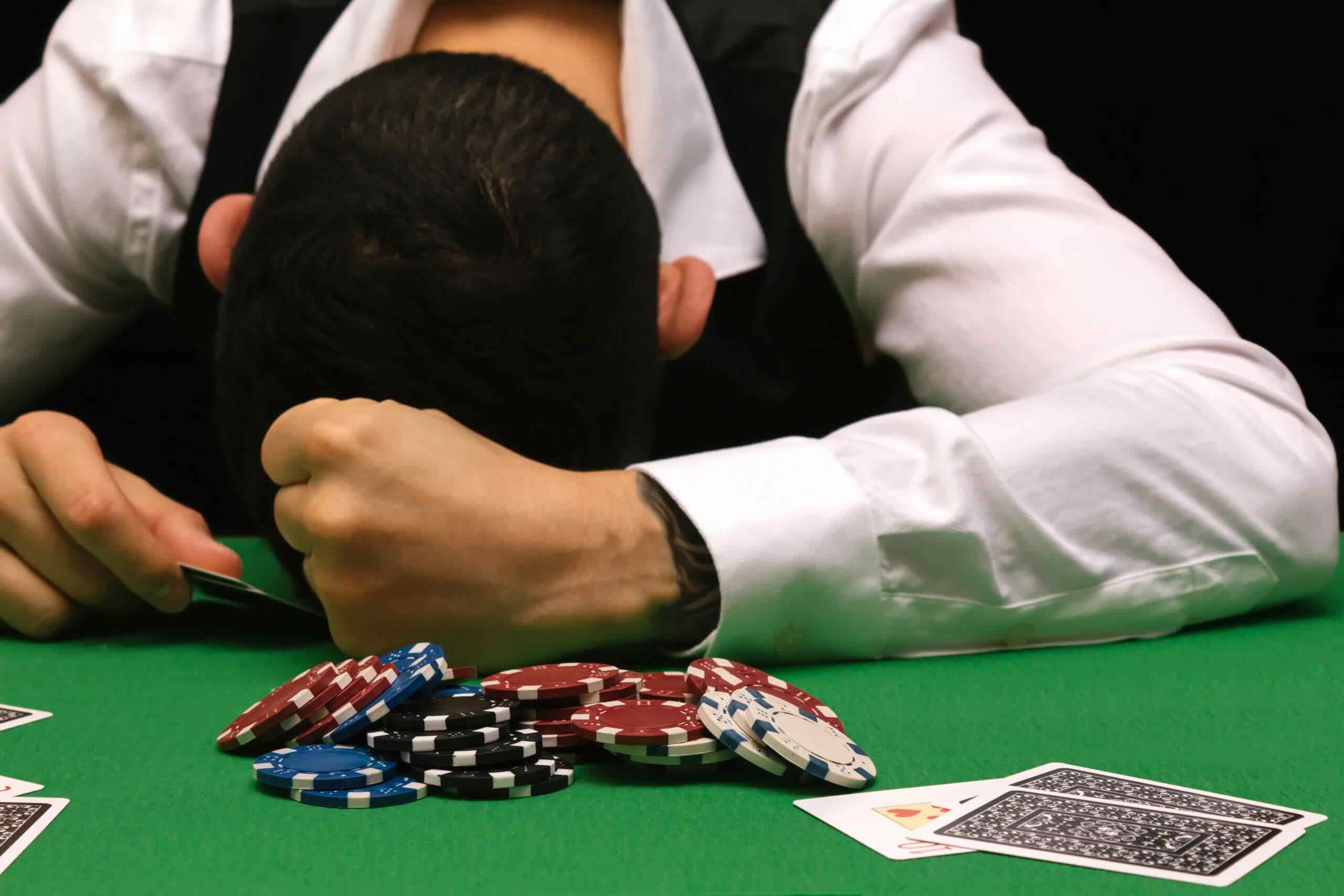
Additionally, emotions play a significant role in decision-making while gambling. Feeling down can lead to riskier bets in an attempt to recover losses, while euphoric moods might encourage players to wager larger amounts. This emotional rollercoaster can create a cycle that is challenging to break, emphasizing the need for awareness and self-control.
Resources for Responsible Gambling
Understanding the psychology behind gambling is vital for fostering responsible gambling practices. Awareness of the triggers that drive the urge to play can empower individuals to make informed decisions. Educational resources and support networks can help players identify when their gambling habits become problematic and provide tools for moderation.
A dedicated platform can offer guidance on responsible gambling strategies, along with insights into the latest trends and best practices. By understanding the underlying psychology, individuals can enjoy gambling as a form of entertainment without compromising their well-being.
